
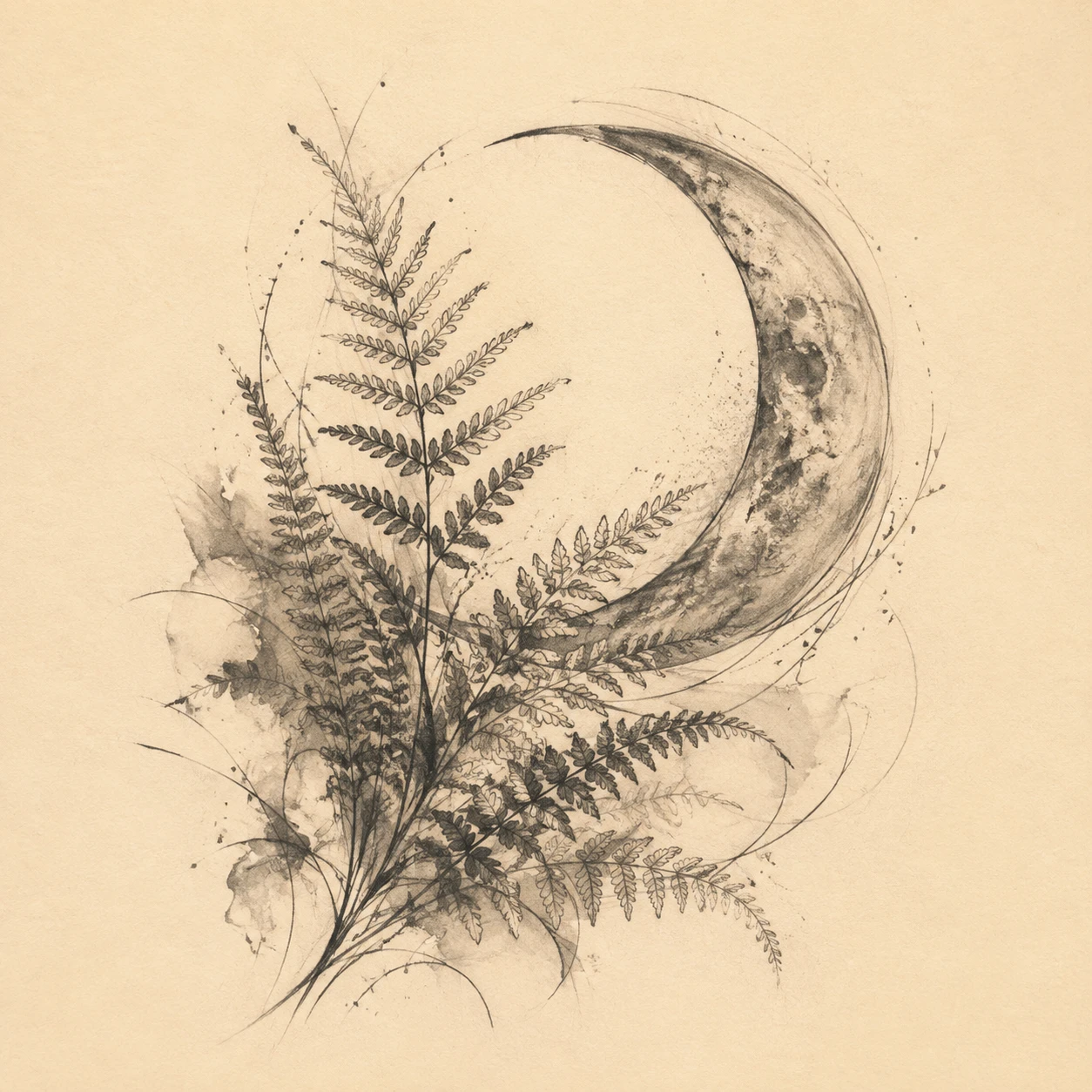
 Before
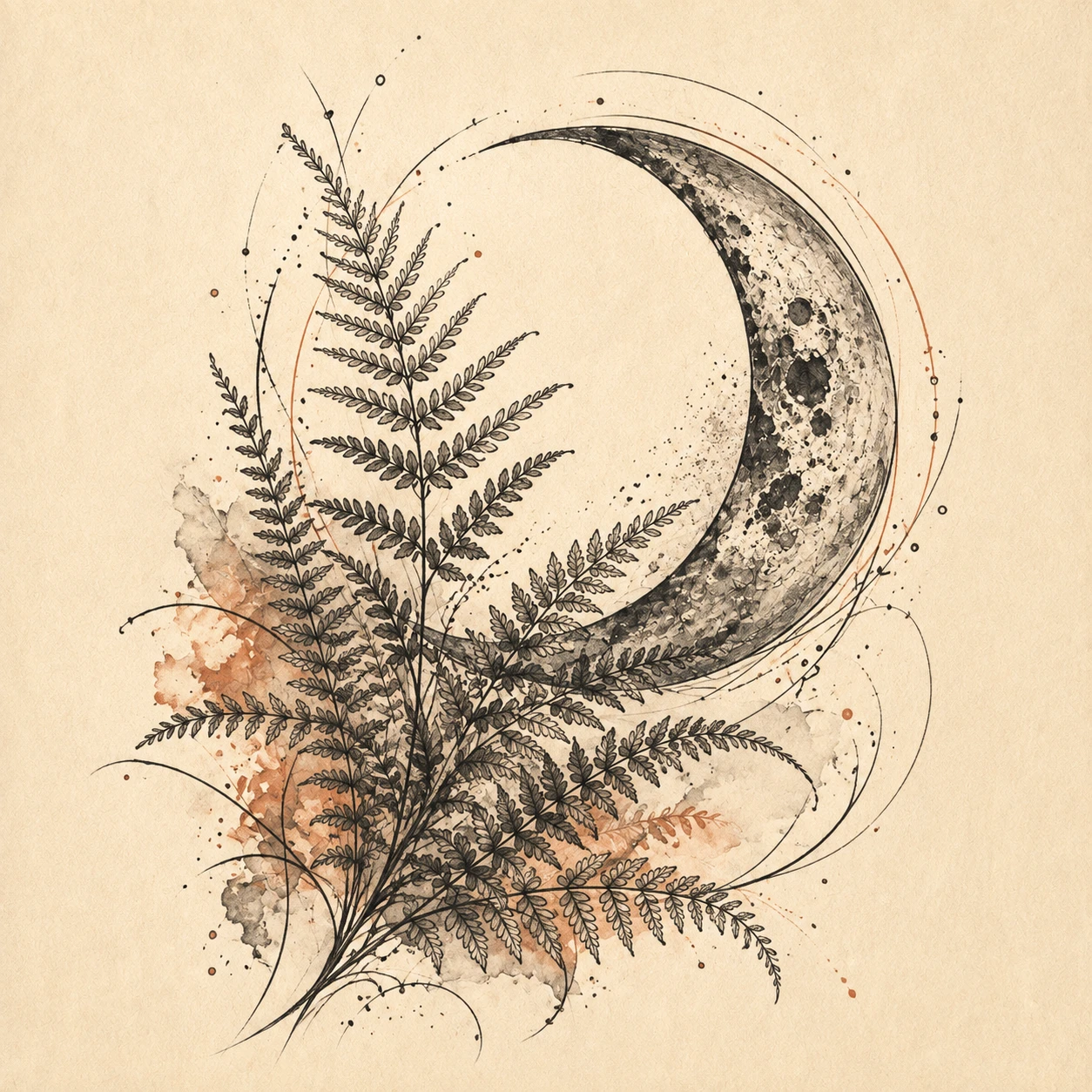 After
AfterFine-line mountain memory
A personal landscape idea becomes a compact fine-line reference for an artist conversation.
Use an AI tattoo generator to turn a personal theme into visual concepts. Choose a style and body placement, compare directions, and bring a useful reference to a professional tattoo artist for adaptation.
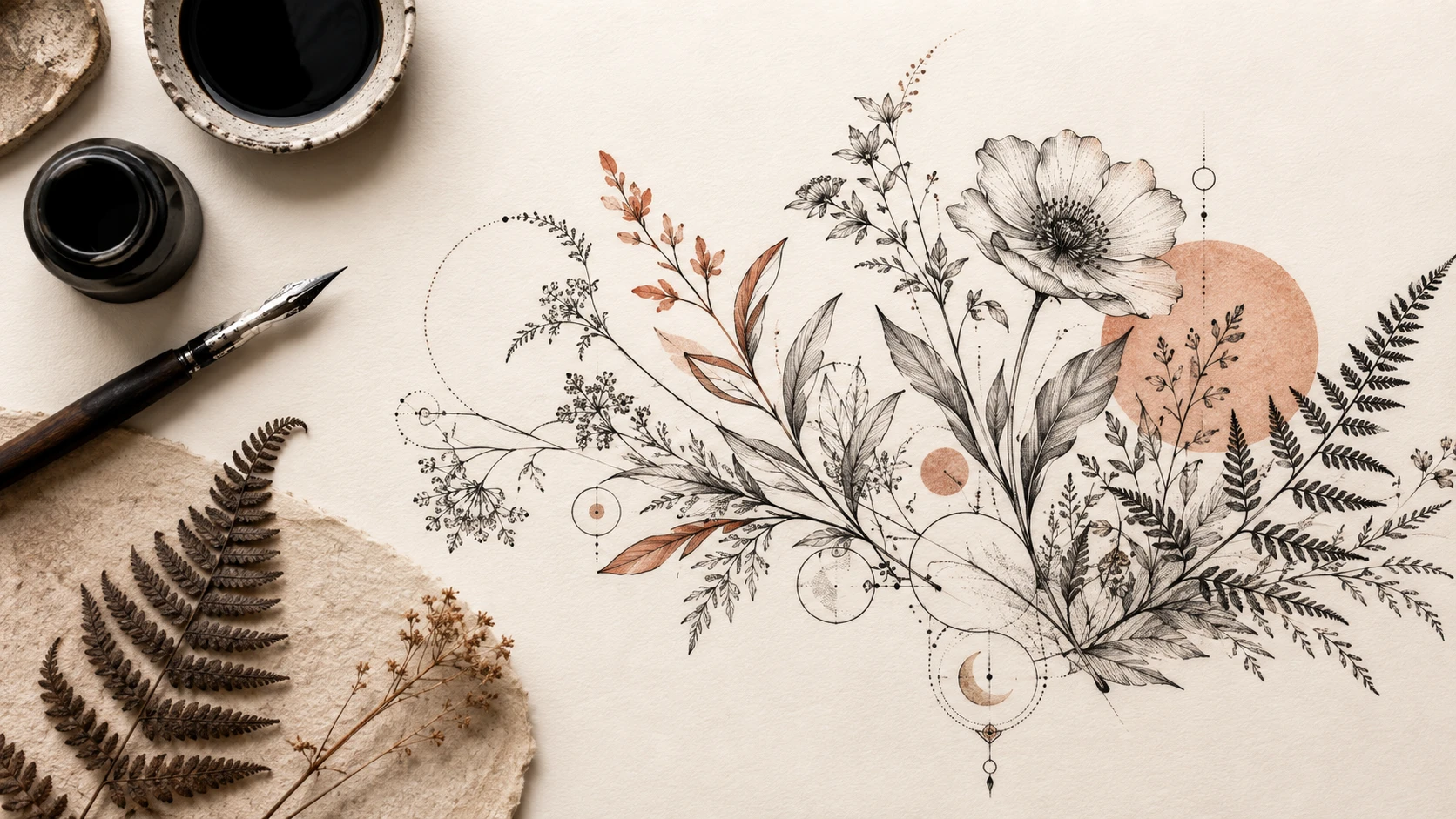
Use an AI tattoo generator to turn a personal theme into visual concepts. Choose a style and body placement, compare directions, and bring a useful reference to a professional tattoo artist for adaptation.
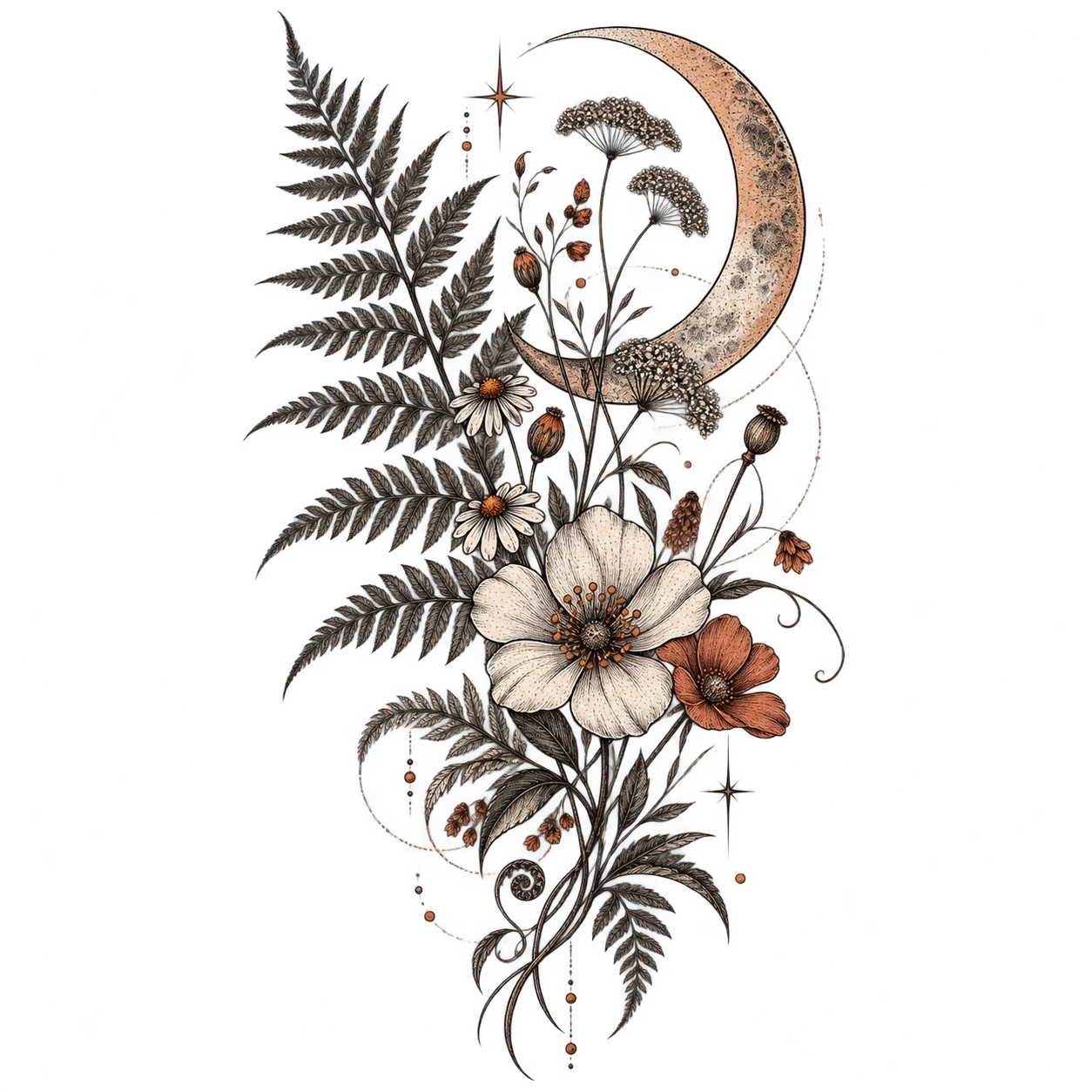
Start with the object, animal, phrase, memory, or symbol that matters to you.
Add a direction such as fine line, blackwork, traditional, geometric, or watercolor-inspired.
Use the strongest concept as a reference and ask a licensed artist to adapt it to your anatomy and placement.
Before / After
BeforeAfterA personal landscape idea becomes a compact fine-line reference for an artist conversation.
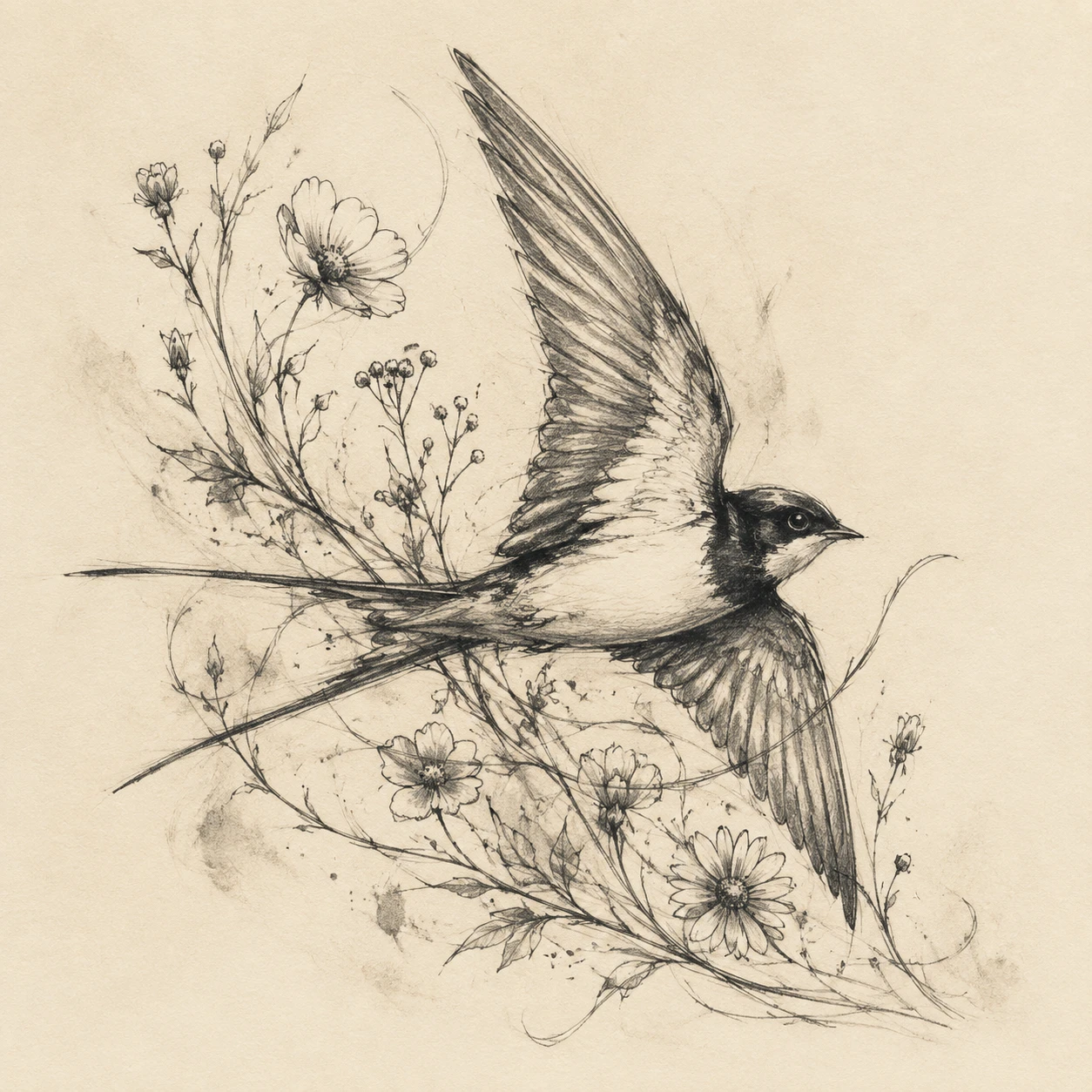 Before
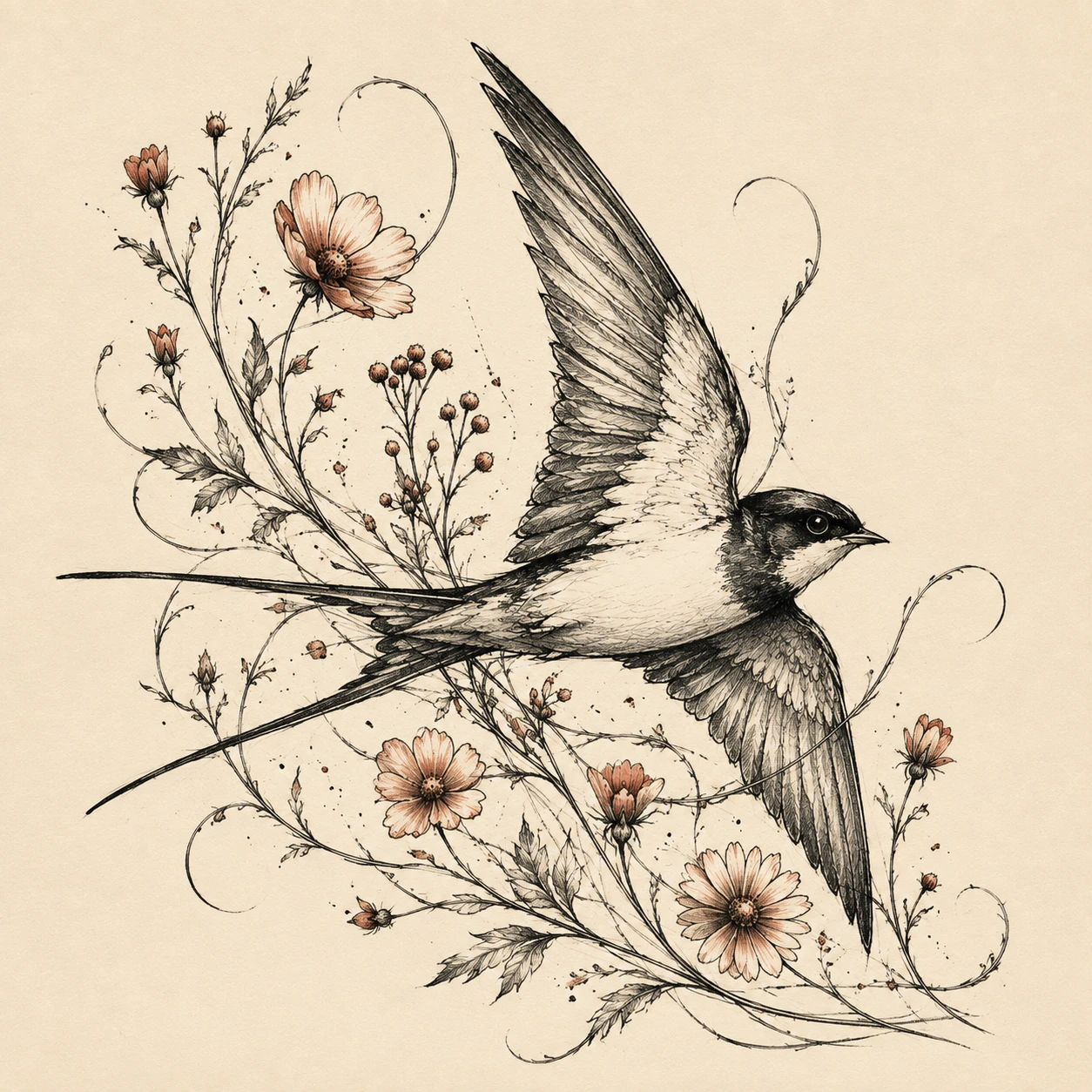 After
AfterA botanical theme is explored with bold shapes and clear negative space.
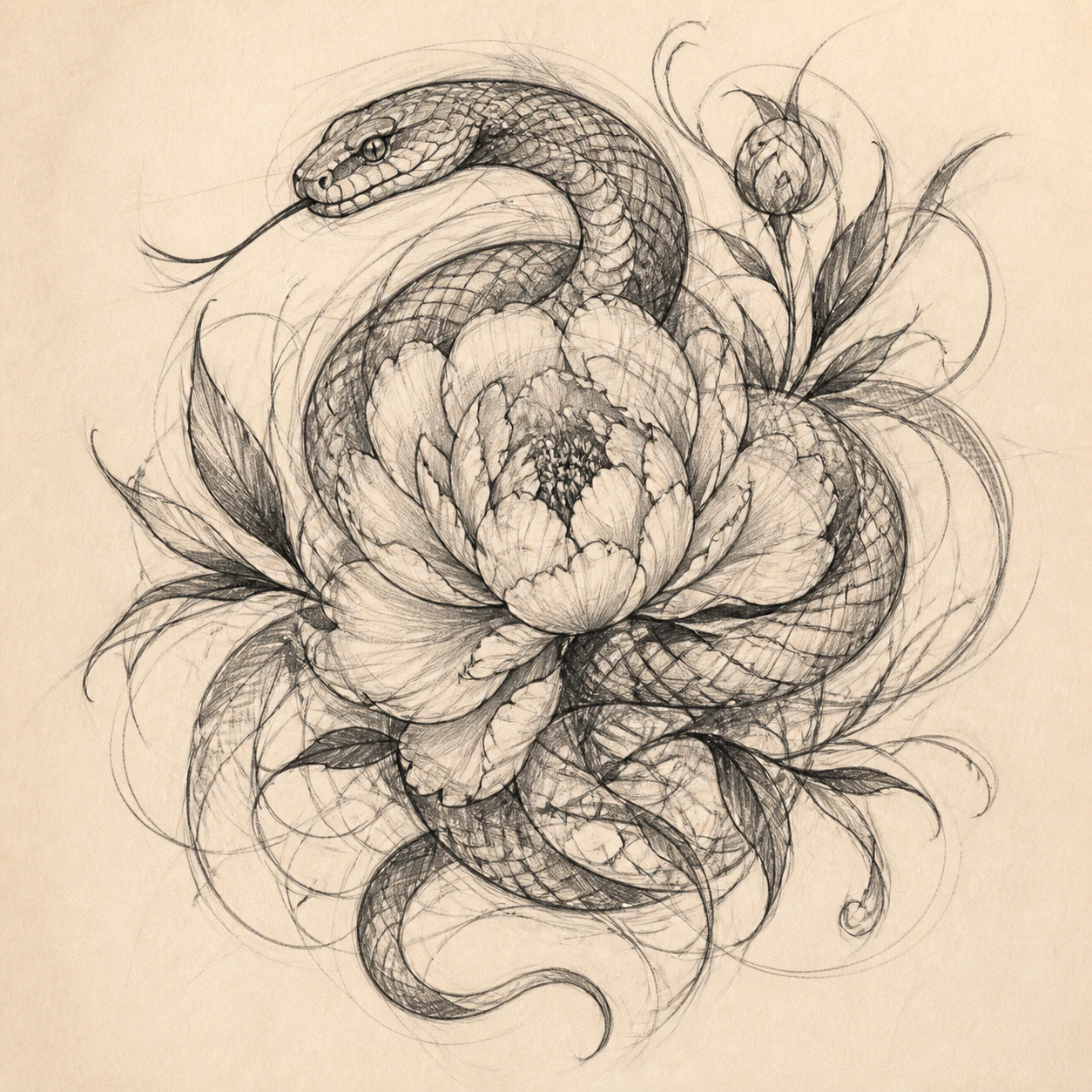 Before
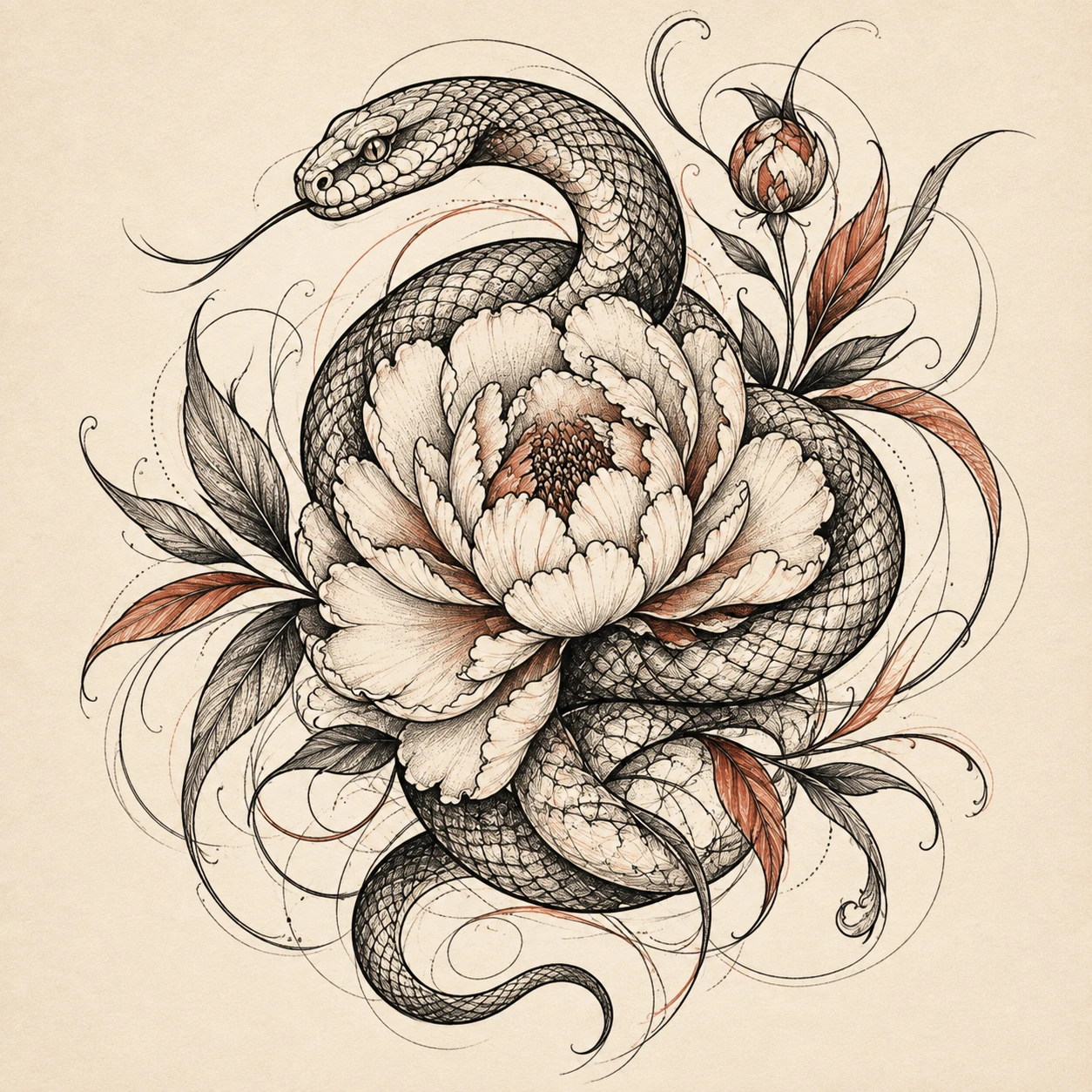 After
AfterAn animal subject is arranged as a traditional-inspired concept without copying a named flash sheet.
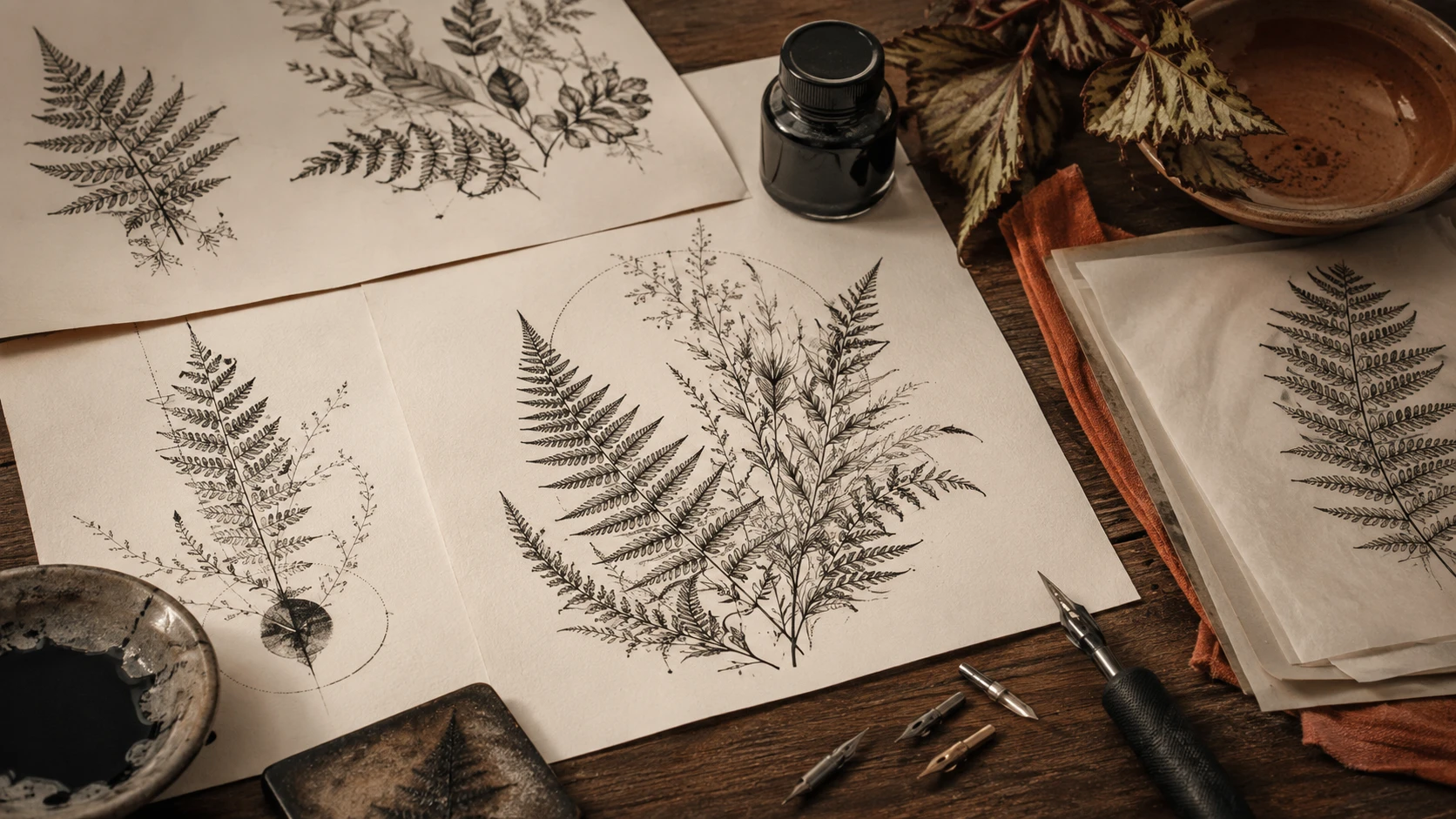
A subject, memory, or symbol gives the concept a reason to exist. Add the feeling and placement instead of relying on a generic style word.
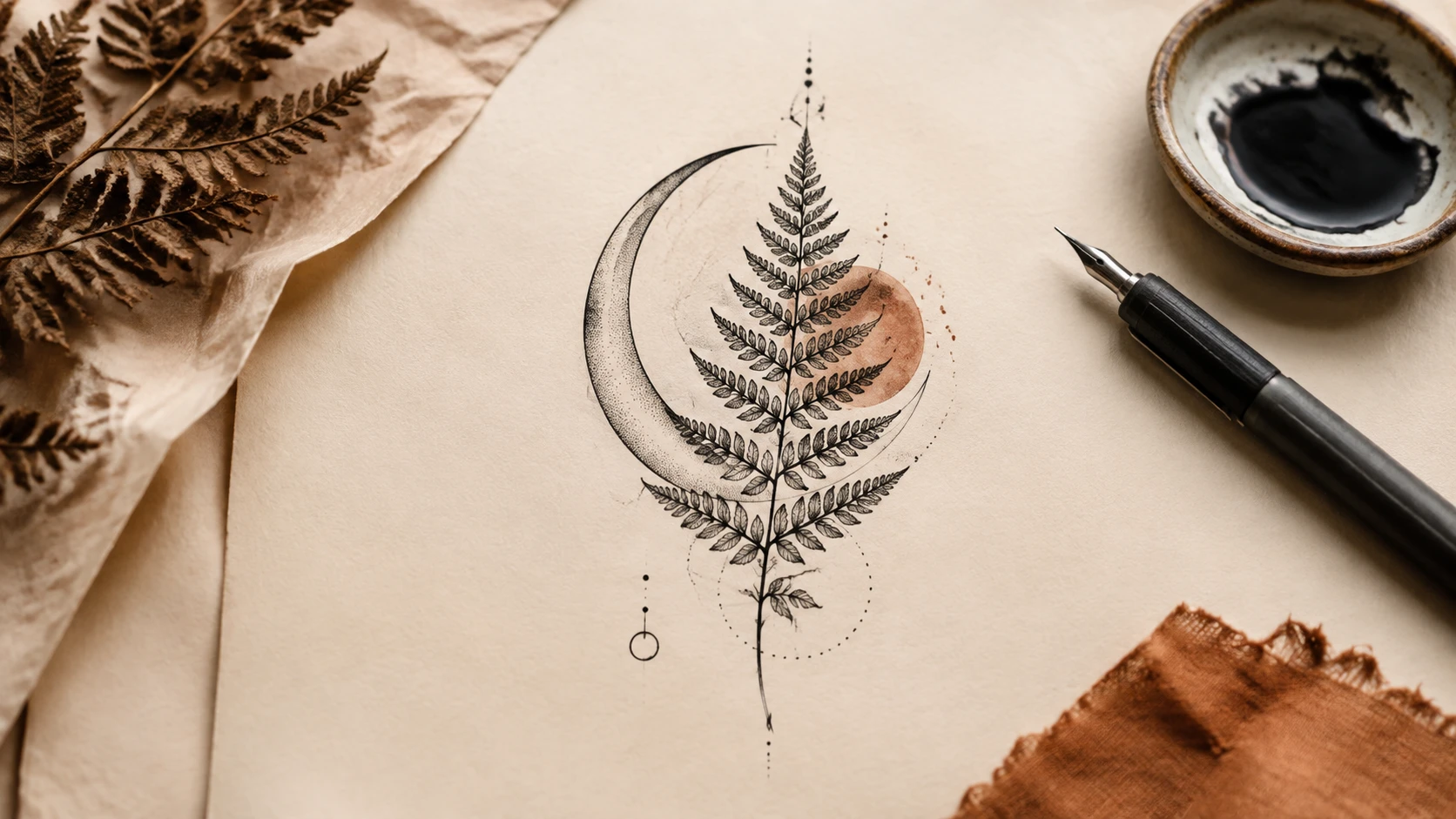
A screen image cannot account for every body curve or healed line. Give the artist a clear direction to redraw and adapt.
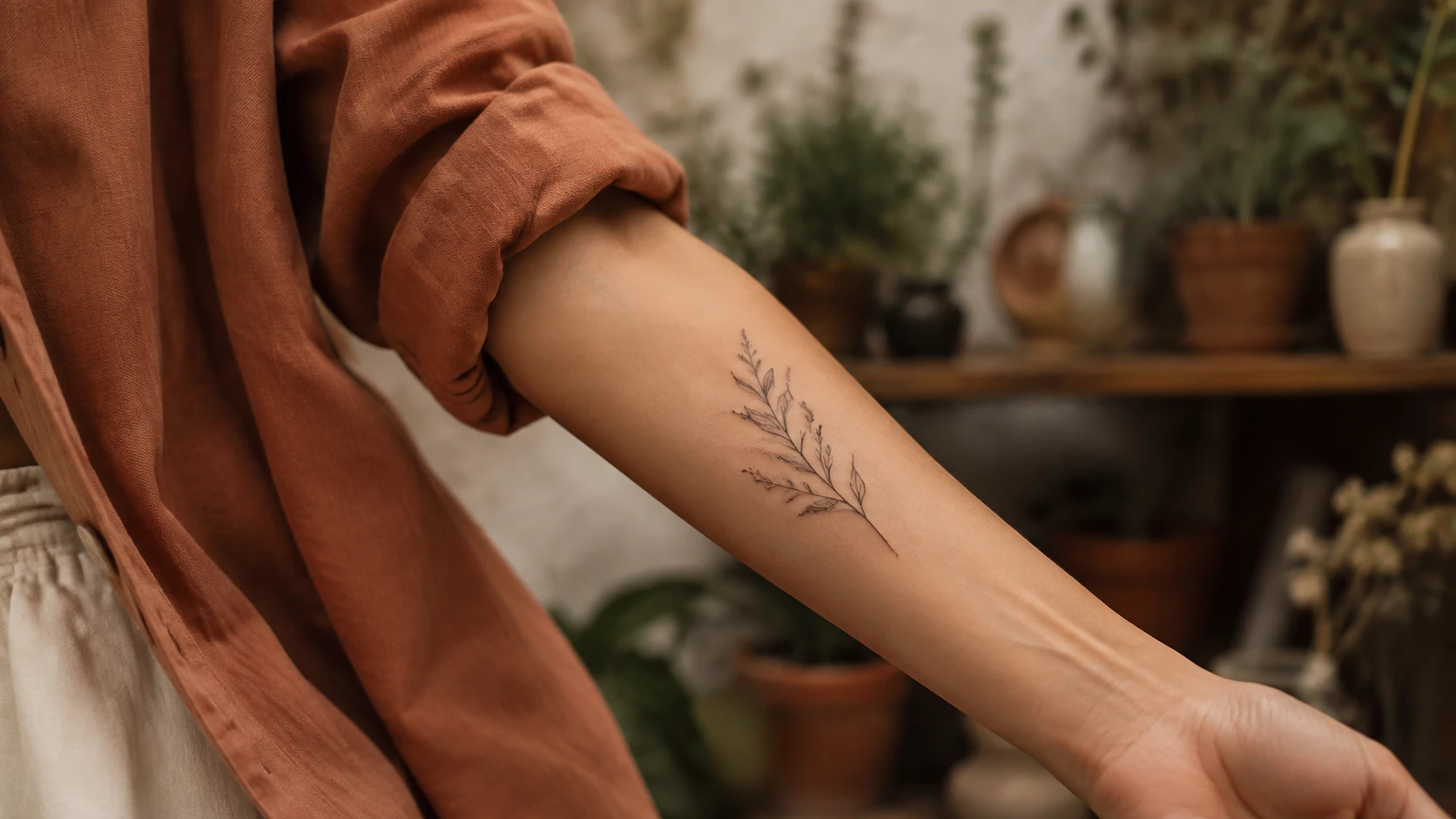
Look for crowded details, accidental letters, and unwanted symbols. A second iteration can make the concept easier to discuss.
A closer look
Generated tattoo art can help you communicate an idea, but it is not a professional stencil, an anatomy check, or a guarantee of the final tattoo result.
Why it works
Build concepts around your subject, meaning, style, and intended placement.
Explore restrained line work, bold blackwork, and traditional-inspired directions.
Bring a clear visual starting point to a licensed tattoo artist for adaptation.
Creator notes
Eight grounded snapshots from everyday image work—from quick social posts to client-ready drafts.
“I came in for one quick product image and stayed to try three directions. The workflow never made me feel like I needed a tutorial first.”
 Maya R.E-commerce manager
“The controls are restrained in a good way. I can get a useful draft, download it, and finish the last ten percent in my usual design app.”
 Jon BellFreelance designer
“What won me over was consistency. I can repeat the same brief without rebuilding every setting from scratch.”
 Priya S.Content lead
“The first result is often close enough to start a real conversation with a client. That alone saves me a round of mood-board work.”
 Owen K.Independent maker
“I tested it during a busy launch week. It was fast, clear, and I always knew what the next click would do.”
 Nina ParkSocial media editor
“Being able to keep the source image visible matters to me. I can judge what changed instead of guessing from memory.”
 Luis M.Photographer
“It feels designed for actual production work, not just a flashy demo. The examples are practical and the output is easy to hand off.”
 Sophie ChenBrand coordinator
“I mostly use it for small weekly assets. It turns the blank-page moment into something I can react to in a couple of minutes.”
 Tom W.Newsletter creator
AI Tattoo Generator
No. Treat it as a visual concept. A professional tattoo artist should adapt the design for anatomy, line weight, placement, and the way ink is applied.
Include the subject, symbolism, style, mood, approximate size, and body area. These details make the visual direction more specific.
You can use a reference image when the workspace allows it, but use material you have the right to use and ask for an original direction rather than a direct copy.
Choose the style that fits the subject and the artist you plan to consult. Fine line, blackwork, and traditional-inspired directions communicate very different line and shape choices.
A concept image is not a reliable placement preview. Discuss size and body contours with your artist, even if the generated design looks convincing on screen.
You should consider permission and local rules before using protected characters or logos. An original subject and composition are safer starting points.
Use a sharp, lightly compressed image with the full subject visible. Heavy blur, tight cropping, or repeatedly edited files make important details harder to preserve and review.
Compare the output with the source at full size. Check identity, edges, text, hands, texture, and composition, and keep the original file for any important use.
✦ One focused tool, ready for your next idea
Use an AI tattoo generator to turn a personal theme into visual concepts. Choose a style and body placement, compare directions, and bring a useful reference to a professional tattoo artist for adaptation.
Start with AI Tattoo Generator